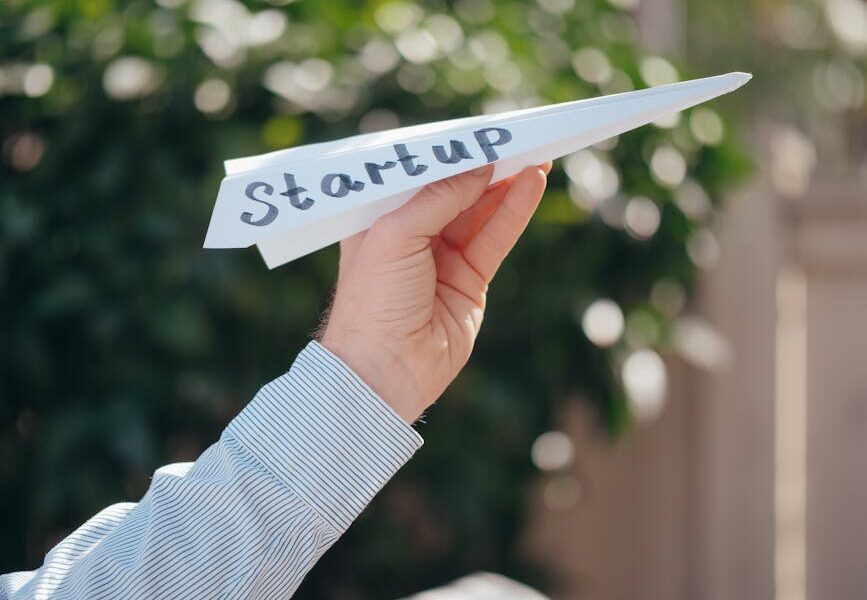

By 2025, if you’re running a business, you probably get this feeling that everything’s different. It’s not just a tweak here or there, no. The way companies stay afloat, much less get ahead, has shifted big time. And it’s not just because of some tech stuff or the economy, but really, how people think about working, about buying things, about what actually matters. A business-level strategy describes not just what you sell, but how your entire operation moves in this weird, wonderful, and sometimes wild future.
I mean, look around. We’ve seen so much. The last few years, they’ve been a blur, haven’t they? Companies that thought they had it all figured out sometimes just… didn’t. Others, the ones you might not have expected, somehow found a way to not just hang on but really shine. My take is, a lot of it boils down to something more squishy than numbers on a spreadsheet: it’s about being really, truly ready to change, almost on the fly. And not just changing products, but changing how the whole darn company breathes.
Thinking Beyond the Next Quarter: What’s Really Cooking?
So, what does this “business-level strategy” even look like in 2025? It’s less about a five-year plan written in stone and more like a fluid blueprint. A map, sure, but one you can redraw with a whiteboard marker whenever a new mountain pops up. Or a new opportunity, which is the good part.
One thing that’s become super obvious is how important it is to not just say you care about people or the planet, but to show it. Remember when all those corporate social responsibility reports felt a bit like a side project? Not anymore. People, customers especially, are looking at everything now. They want to know where your stuff comes from, if the people making it are treated okay, if your company’s actions are making the world a slightly better place or just adding to the mess. It’s not just a “nice-to-have” anymore; it’s practically a must for staying relevant. For some companies, especially newer ones, this thinking is baked right into their core. Older companies? They’re figuring it out, sometimes a bit slower, but they’ve gotta. Like, the whole idea of “profit first” is still there, for sure, but it’s sitting next to “purpose” in a way it never really did before. You can’t just operate in a vacuum anymore. That’s plain silly.
And talk about talent! Finding good people, keeping them, that’s another biggie. The old rules about offices and nine-to-five, they’re pretty much out the window for many places. Hybrid work, fully remote teams… it’s a mosaic now. A business strategy in 2025 has to figure out how to get the best out of its people, wherever they are, and make them feel like they belong. It’s not just about a paycheck anymore; it’s about flexibility, about feeling respected, about a bit of autonomy. If you’re a company still clinging to old ways, well, you’ll find yourself with a shrinking pool of smart, motivated folks. That’s just how it is. It’s a tricky dance, keeping everyone connected when they’re spread out, but if you don’t crack it, your business will feel the pinch.
The Tech Beat: More Than Just Shiny New Toys
Everyone talks about artificial intelligence, right? And yeah, it’s a big deal. But a business strategy for right now isn’t just about throwing some AI tool at a problem. It’s about being smart about how you use it. For instance, using AI to sift through customer feedback? Absolutely, makes sense. Using it to automate some boring back-office stuff? Great, frees up people for more interesting work. But using it without thinking about the people it affects, or the data it eats up? That’s where things get wobbly. Companies that win are those integrating these tools thoughtfully, making sure they actually help people, both inside and outside the company, instead of just replacing them or making things more confusing. They’re thinking about the ethics, too. You have to. You really do. Because if you mess up there, trust gone is trust gone.
Another piece of this tech puzzle is how connected everything is becoming. It’s not just your company and your customers. It’s your suppliers, your partners, maybe even competitors on certain projects. It’s like an ecosystem, really. A successful strategy isn’t just about optimizing what’s inside your four walls; it’s about building strong, quick connections outside them. Think about supply chains. We all learned a hard lesson there, didn’t we? So, building resilience, having backups for your backups, making sure you know where all your parts are coming from—that’s now a core strategic thing, not just an operations headache. Businesses need to think about how they fit into this bigger, interconnected web.
You know, there’s this company I heard about, they make really specific parts for renewable energy stuff. Not a huge name, but they’ve built this insane network of small, specialized suppliers all over the world. When one area had a hiccup, they could just flip to another. That’s strategy. That’s being smart. It’s about building relationships, too, not just buying stuff.
Navigating Uncertainty with a Flexible Compass
So, with all this change, how do you even plan? The old way, writing a massive document that details everything for the next five years, that’s basically a fairy tale now. What’s required, what’s actually required, is a lot of adaptability. A company that thrives in 2025 isn’t the one with the most rigid plan, but the one that can pivot faster than a basketball player.
This means putting structures in place that let you try new things, even fail sometimes, and then learn fast. It’s about empowering teams to make decisions, not waiting for every tiny choice to go up the chain. It’s about having a clear sense of why your company exists, your true purpose, because that’s the fixed point when everything else is moving. When the market shifts, or a new competitor pops up from nowhere, if you know why you’re doing what you’re doing, you can figure out the how more quickly. It’s not about being reckless; it’s about being nimble.
It also means keeping a really close eye on your customers. What do they really want? Sometimes it’s not what they say they want. Sometimes they don’t even know yet! So, a business-level strategy describes having people, processes, whatever it takes, to listen, observe, and anticipate. Maybe it’s a new niche market popping up. Maybe it’s a shift in what people value. The companies that catch these subtle changes early, they’re the ones that usually come out on top. It’s like being a detective, almost. Always looking for clues.
And yeah, it’s going to be a bit messy. Not every new idea will work out. Some investments will flop. But that’s okay. That’s how humans learn, right? You try things, some work, some don’t, and you adjust. The goal isn’t perfection; it’s progress. And fast progress, too. It’s about learning to be comfortable with that slight edge of chaos, because that’s where the real opportunities often hide. You just have to be brave enough to look for them.
In my experience, the companies really nailing it are the ones where curiosity isn’t just a buzzword. It’s a core behavior. They’re always asking, “What if?” or “Could we do this better?” It doesn’t matter if they’re big or small. The ones stuck in the mud are usually the ones that are too comfortable, too sure of their own way. And then, whoosh, the world changes, and they’re left behind. So a big part of business strategy, for 2025 and beyond, is simply staying wide awake. It’s about being alive to possibilities and, well, ready for anything. You gotta be.
FAQ: Making Sense of 2025 Business Strategy
What’s the single most critical thing a business strategy needs for 2025?
I’d say it’s probably radical adaptability. The world’s just too jumpy to rely on rigid plans. You need to be ready to change direction, change your mind, even, really fast.
How do businesses handle the pressure to be sustainable and still make money?
It’s not just pressure; it’s becoming a business requirement. Companies are figuring out that being more sustainable can actually cut costs in the long run (less waste, more efficient processes) and also brings in customers who care. It’s not an either/or anymore, you know? It’s both.
Is remote work a part of strategy, or just an HR thing?
Oh, it’s totally strategic. How you structure your workforce affects everything: your talent pool, your office costs, your innovation. It’s not just about managing people; it’s about how your entire operation functions and how you compete for the best brains.
Will AI replace jobs, and how does a company plan for that?
AI definitely changes jobs. Some tasks will go away, sure, but new ones will pop up. A smart business strategy involves retraining people, focusing on the unique human skills that AI can’t replicate (like creativity or complex problem-solving), and using AI to help people do their jobs better, not just replace them. It’s about augmenting, not just automating.
What if a company is small? Do these big ideas still apply?
Absolutely. Maybe even more so! Small businesses often have an edge because they can be more nimble. They can try new things faster, pivot more easily, and build really strong, personal relationships with customers and their team. The principles are the same, just on a different scale.