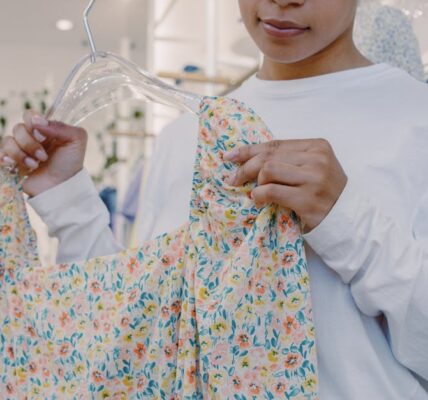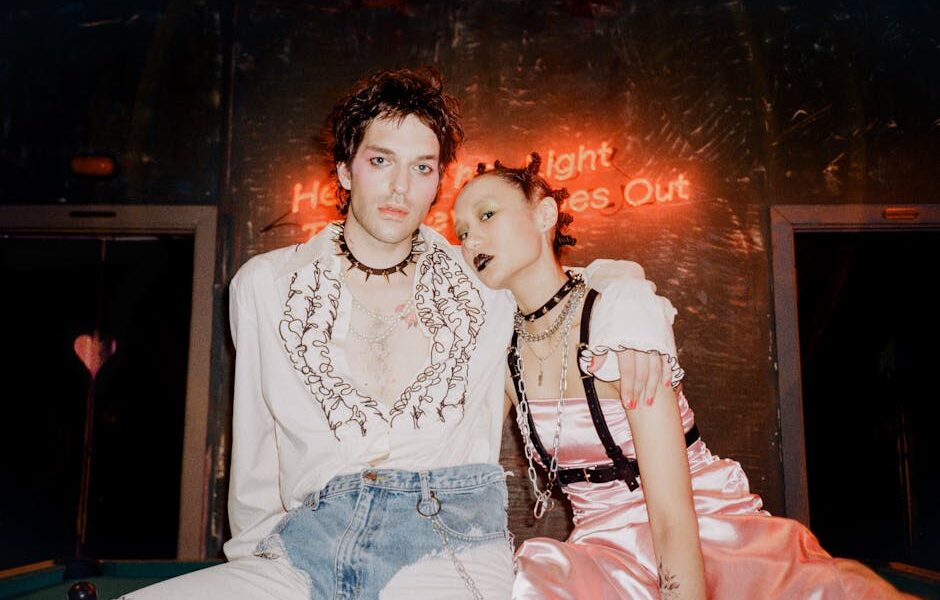

Your phone buzzes. It’s another email from that clothing brand you bought a sweater from six months ago. You open it, maybe out of habit, maybe out of boredom. What do you see? A jumble of pictures and prices? A clean, artsy layout that feels like a page from a magazine? The question really is, though, are these emails… a true extension of the style they sell, or just a digital flyer screaming ‘SALE!’? As we get further into 2025, with all the tech and data brands have, it’s a good time to ask: are e commerce fashion brands fashionable in their email marketing? Or are they still stuck in the digital bargain bin.
What Even Makes an Email “Fashionable” Anyway?
It’s not just about having nice photos of clothes. That’s like, the bare minimum.
A fashionable email has a certain feeling. A vibe. It’s got a point of view.
It feels like it was put together by someone who actually cares about style, not just sales quotas.
You know, the kind of email that makes you stop scrolling for a second.
It should reflect the brand’s whole personality. Is it edgy? Is it classic? The email has to show that.
A boring email is just a grid of products. A stylish one tells you something, even if it’s subtle.
It’s really the difference between getting a catalog in the mail and getting a personal style note. One goes in the trash, the other you might actually read.
The Good Stuff: Where Fashion Brands Get Their Emails Right
Some brands are totally getting it. They’ve figured out that an inbox can be a runway.
Their emails are a treat to open. It’s more than just a sales pitch.
They’ve turned a simple marketing tool into a part of the fashion experience itself.
Killer Visuals and Minimalist Vibes
The best ones are beautiful to look at. This seems obvious but a lot of brands miss it.
They use big, high-quality images. Sometimes a cool GIF or a short video clip.
The design is normally super clean. Lots of white space, which makes everything feel more expensive.
They use fonts that look purposeful and elegant, not just the default computer font. It all works together to create a mood. A mood that says “we know what we’re doing.”
Personalization That Actually Feels Personal
This is more than just putting your name at the top of the email. We’re past that now.
Good personalization is when they send you stuff you actually might like. Based on what you’ve looked at before.
It’s getting an email that says “Hey, that jacket you were eyeing is almost gone.” That gets your attention.
Or they’ll send a special discount for your birthday. It is considered to be a nice touch that makes you feel like they remember you, specifically. Not just another address on a list.
Telling a Story, Not Just Selling a Shirt
Fashion isn’t just about clothes; it’s about the stories behind them. The smart brands know this.
Their emails don’t always scream “Buy Now!” Sometimes they talk about the inspiration for a new collection.
Maybe they show behind-the-scenes pictures from a photoshoot. Or introduce the designer.
This kind of stuff builds a real connection. It makes you feel like you’re part of the brand’s world, which is a pretty cool feeling. Then you’re more likely to buy.
The Not-So-Stylish Side of Fashion Email Marketing
Now for the other side. A lot of fashion emails are just… bad. They’re kind of the opposite of fashionable.
They are the digital version of a pushy salesperson following you around a store.
It’s a big missed opportunity, because a bad email can actually make a cool brand seem cheap.
The most common problem is just sending way too many emails. Like, multiple a day. It’s desperate.
Then there’s the one-size-fits-all approach. Sending the exact same email to every single person on their list.
This totally ignores your personal style or what you’ve bought before. It feels lazy.
And the subject lines can be so annoying. “OMG YOU WONT BELIEVE THIS SALE” with a dozen emojis. It just feels like spam. It is often that the email itself is a letdown.
Looking Ahead to 2025: AI, Interactivity, and What’s Next
So what’s coming up? The future of fashion emails is looking pretty interesting, for real.
Technology is obviously a big part of it. Especially AI, or artificial intelligence.
AI can help brands get way smarter with personalization. We’re talking emails that are almost completely unique to you.
Imagine an email that basically builds an outfit for you based on a dress you just bought. That’s where we’re headed.
Also, emails are going to get more interactive. You won’t just be looking at pictures.
You might be able to click on a poll, or swipe through a carousel of images right inside the email.
Some emails might let you add an item to your cart without even going to the website. Stuff like that makes shopping super easy.
The whole thing is about making the email less of an ad and more of an actual experience. Something you want to open and play with. That’s when you know it’s truly fashionable.
—
Frequently Asked Questions
1. So, really, are e-commerce fashion brands fashionable in their email marketing?
It’s a mixed bag. The top-tier and cool indie brands generally are. They use their emails to build a world around their clothes. But many larger, more generic brands are still stuck sending boring, repetitive sales alerts that feel anything but stylish.
2. When people ask if e-commerce fashion brands are fashionable in their email marketing, what’s the biggest mistake they’re seeing?
The biggest mistake is definitely frequency and lack of personalization. Getting three emails a day with the same generic “20% OFF!” message makes a brand feel cheap and annoying, no matter how nice their clothes are. It completely kills the stylish vibe.
3. How can a small fashion brand make its email marketing more fashionable on a budget?
Focus on great photography, even if it’s just from a phone with good lighting. Develop a consistent brand voice and tell your story—why you started, what inspires you. A simple, clean email template is better than a cluttered, messy one. Make it feel personal.
4. Will AI make fashion email marketing better or just more robotic?
There’s a risk of it feeling robotic if it’s done poorly. But in 2025, the goal of AI is to make emails feel more human and personal, not less. It can find patterns in your browsing to suggest things you’ll genuinely love, which is what a good human stylist would do.
5. Why does it even matter if e-commerce fashion brands are fashionable in their email marketing?
Because fashion is about a feeling, a brand identity, and a story. If your email inbox is the main place a brand talks to you, that conversation needs to match the style of the clothes. A boring email makes for a boring brand, and that doesn’t inspire people to buy.
Key Takeaways
It’s a Split Decision: Some fashion brands create beautiful, story-driven emails that feel like an extension of their brand. Many others just send repetitive, uninspired sales blasts.
Style is More Than Pictures: A truly “fashionable” email has a distinct point of view, great design, a compelling story, and doesn’t just scream “buy now.”
Personalization is Key: The best emails feel like they were sent just for you, using your past behavior to suggest things you might actually want.
Don’t Be Annoying: The fastest way to seem unfashionable is to send too many emails that all look the same. It comes off as desperate.
The Future is Interactive: Look for more emails in 2025 to include things like in-email shopping, polls, and AI-driven content that makes the inbox a more engaging place.